

How to replace the worn - out parts of a Modified Starch Machine?
Hey there! As a supplier of Modified Starch Machines, I've seen my fair share of wear and tear on these bad boys. Replacing worn-out parts is a crucial part of keeping your machine running smoothly and efficiently. In this blog, I'll walk you through the steps on how to replace those pesky worn-out parts of your Modified Starch Machine.
Step 1: Identify the Worn-Out Parts
The first thing you need to do is figure out which parts of your machine are actually worn out. This might sound like a no-brainer, but it's important to be thorough. Look for signs of excessive wear, such as cracks, chips, or excessive abrasion. You might also notice a decrease in the machine's performance, like slower production or lower-quality starch.
For example, if your machine has a conveyor belt, check for fraying or stretching. If it's a heating element, look for signs of overheating or damage. And if it's a cutter or a grinder, make sure the blades are sharp and not dull.
Step 2: Source the Replacement Parts
Once you've identified the worn-out parts, it's time to find the replacements. As a supplier, I can tell you that it's always best to get genuine parts from the manufacturer. This ensures that the parts are compatible with your machine and will work properly.
But if you can't get the parts from the manufacturer, there are other options. You can look for third-party suppliers that specialize in Modified Starch Machine parts. Just make sure they have a good reputation and that their parts are of high quality.
Here are some great resources for finding replacement parts:
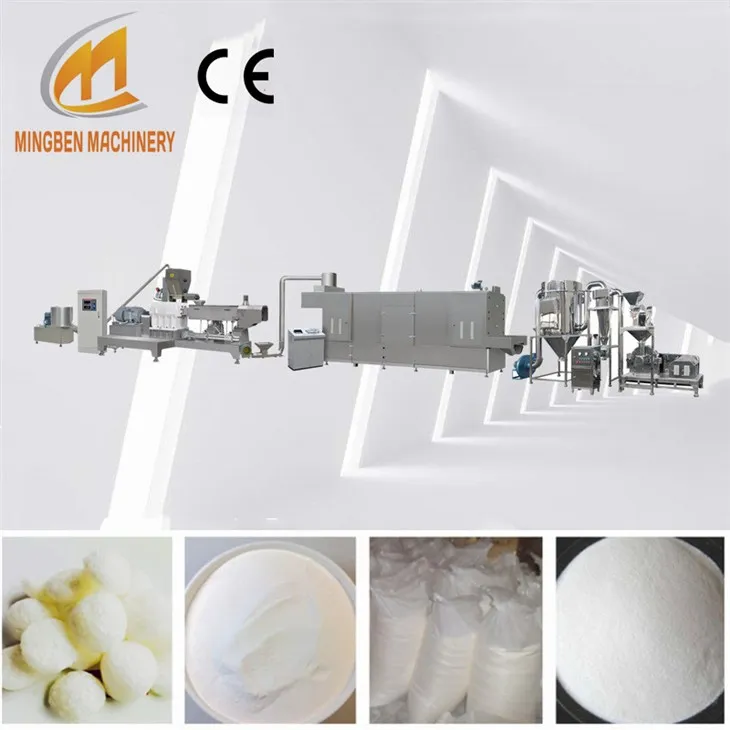
- Pre Gelatinized Starch Making Machines: This website offers a wide range of pre gelatinized starch making machines and their parts.
- Modified Starch Production Machine: Here, you can find all sorts of modified starch production machines and their corresponding parts.
- Modified Starch Making Machine: This site is a great place to look for parts for your modified starch making machine.
Step 3: Gather the Necessary Tools
Before you start replacing the parts, you'll need to gather the right tools. This might include things like screwdrivers, wrenches, pliers, and maybe even a torque wrench. Make sure you have all the tools you need before you begin, so you don't have to stop in the middle of the job to go looking for something.
It's also a good idea to have a clean, well-lit workspace. This will make it easier to see what you're doing and will help prevent any accidents.
Step 4: Turn Off the Machine and Unplug It
Safety first! Before you start working on the machine, make sure it's turned off and unplugged. This will prevent any electrical shocks or other accidents. You should also wait for the machine to cool down if it's been running recently.
Step 5: Remove the Worn-Out Parts
Now it's time to get your hands dirty. Use the tools you gathered to remove the worn-out parts from the machine. Be careful not to damage any other parts while you're doing this.
Some parts might be easy to remove, like screws or bolts. Others might be a bit more difficult, like a motor or a gear. If you're not sure how to remove a particular part, refer to the machine's manual or consult with a professional.
Step 6: Install the Replacement Parts
Once you've removed the worn-out parts, it's time to install the new ones. Make sure you install them in the correct order and orientation. Follow the instructions in the machine's manual or on the part packaging.
Use the tools to tighten the screws and bolts to the correct torque. This will ensure that the parts are securely in place and will work properly.
Step 7: Test the Machine
After you've installed the replacement parts, it's time to test the machine. Plug it in and turn it on. Check to make sure everything is working properly. Look for any signs of leaks, unusual noises, or other problems.
If you notice any issues, turn off the machine immediately and double-check your work. You might need to make some adjustments or replace the parts again.
Step 8: Maintain the Machine Regularly
Replacing worn-out parts is just one part of keeping your Modified Starch Machine in good condition. You also need to maintain it regularly. This includes things like cleaning the machine, lubricating the moving parts, and checking for any signs of wear and tear.
Regular maintenance will help prevent future problems and will extend the life of your machine. Make sure you follow the manufacturer's recommendations for maintenance.
Conclusion
Replacing the worn-out parts of a Modified Starch Machine might seem like a daunting task, but it's actually not that difficult if you follow these steps. By identifying the worn-out parts, sourcing the replacements, gathering the right tools, and following the proper procedures, you can keep your machine running smoothly and efficiently.
If you have any questions or need help with replacing the parts of your Modified Starch Machine, don't hesitate to reach out. We're here to help you get the most out of your machine. Whether you're looking to buy a new machine or need parts for your existing one, we can assist you. Just contact us to start the procurement negotiation process.
References
- Manufacturer's manual for Modified Starch Machine
- Industry best practices for machine maintenance and repair